How to Develop Independence in Children Ages 6 to 8 Without Screens: A Clear and Practical Guide for Families and Teachers
There’s a phrase I hear often:
“If I’m not constantly on top of them, nothing gets done.”
It’s usually said by a tired mother. A frustrated teacher. A parent who feels their child depends too much.
Between ages 6 and 8, something decisive happens: children can already do many things on their own… but they don’t yet realize they can.
Independence does not appear by magic. It is built. It is practiced. It is allowed.
And it does not grow through more screen time or more rewards. It grows through structured trust.
In This Guide, You Will Learn
- What it truly means to develop independence in children ages 6 to 8.
- How to balance guidance and freedom without falling into overprotection.
- What responsibilities are appropriate at this age.
- Common mistakes that unintentionally slow down independence.
- A practical plan to start this very week.
Why This Stage Is Critical for Development
Between ages 6 and 8, children go through a key developmental stage.
They are no longer preschoolers. But they are not teenagers yet.
They begin to:
- Solve simple problems independently.
- Organize schoolwork.
- Understand more complex social rules.
- Compare themselves with peers.
If independence is not strengthened during this stage, children may become:
- Dependent on adults to make decisions.
- Insecure when facing mistakes.
- Avoidant of responsibilities.
Independence strengthens:
- Authentic self-esteem (not based on empty praise).
- Frustration tolerance.
- Planning skills.
- Responsibility.
It’s not just about “getting dressed alone.” It’s about believing they can.
Pedagogical Framework: The ColoreaMundo Approach
At ColoreaMundo, we foster independence through a “Learn Without Screens” approach.
Why?
Because independence is built through real-life action—not passive stimulation.
The approach is based on three principles:
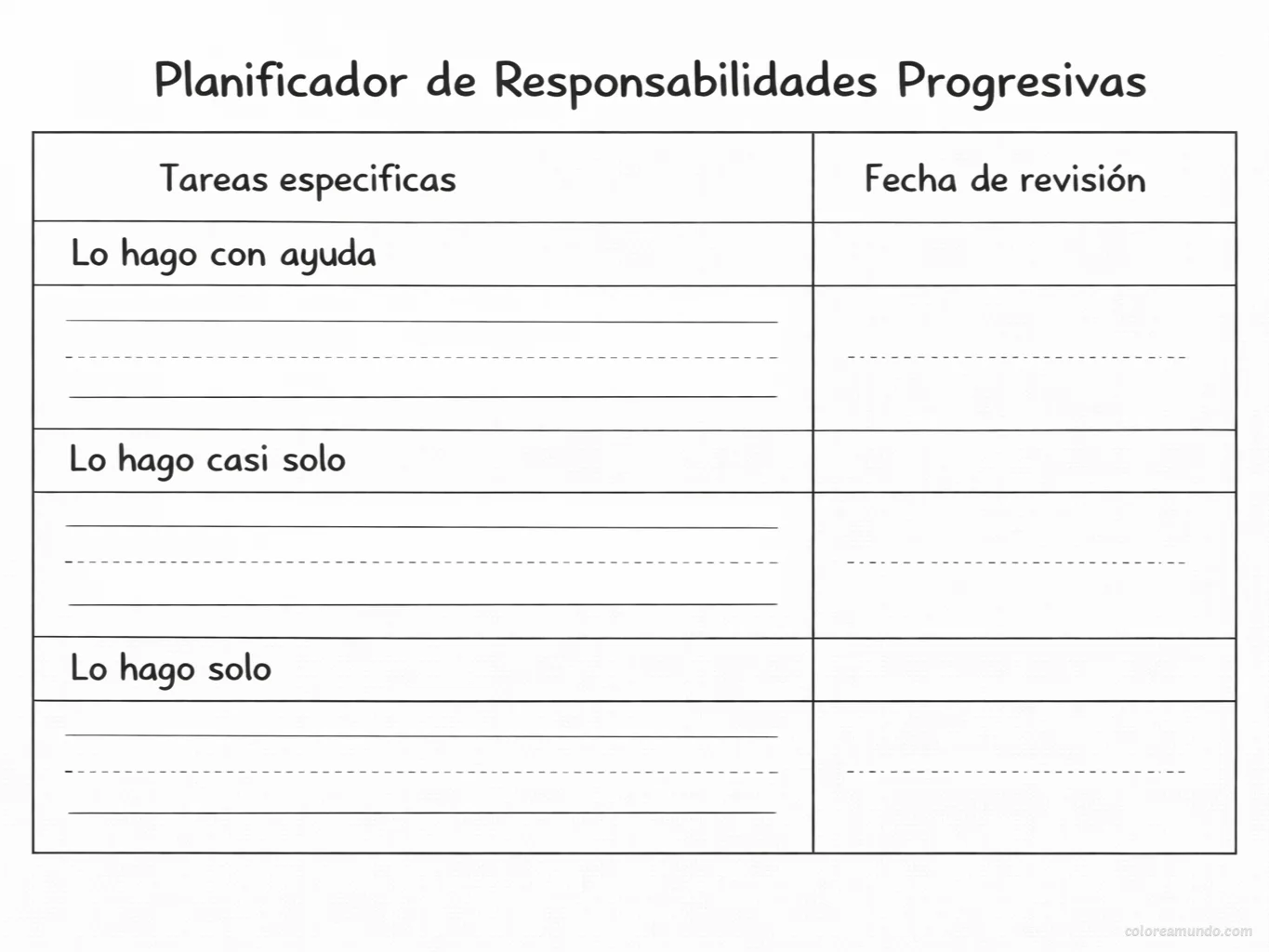
- Progressive responsibility.
- Mistakes as learning opportunities.
- Active participation in everyday life.
“An independent child is not one who does everything alone. It’s one who knows they can try.”
That nuance matters.
In-Depth Development
1. Independence Is Not Absolute Self-Sufficiency
A common mistake is thinking independence means “not needing me.”
At ages 6–8, children still need guidance.
The key is balance:
- Don’t do for them what they can do themselves.
- Don’t demand what they are not ready to handle.
Real-life example at home:
A child takes a long time to get dressed. The parent, in a rush, finishes the task.
Result:
- Practice is lost.
- Dependence is reinforced.
Alternative:
Lay out clothes the night before. Allow enough time. Accept small mistakes (a shirt inside out).
2. Responsibilities They Can Handle
At this age, children can:
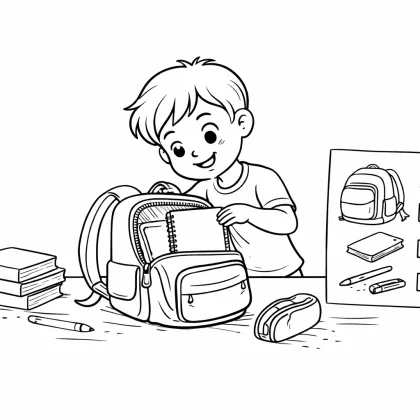
- Pack their backpack with light supervision.
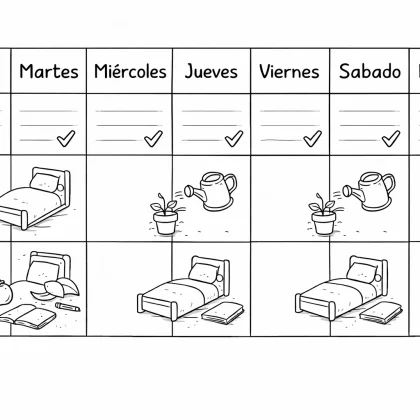
- Organize their room.
- Pour their own water.
- Help with simple household chores.
- Plan the order of homework.
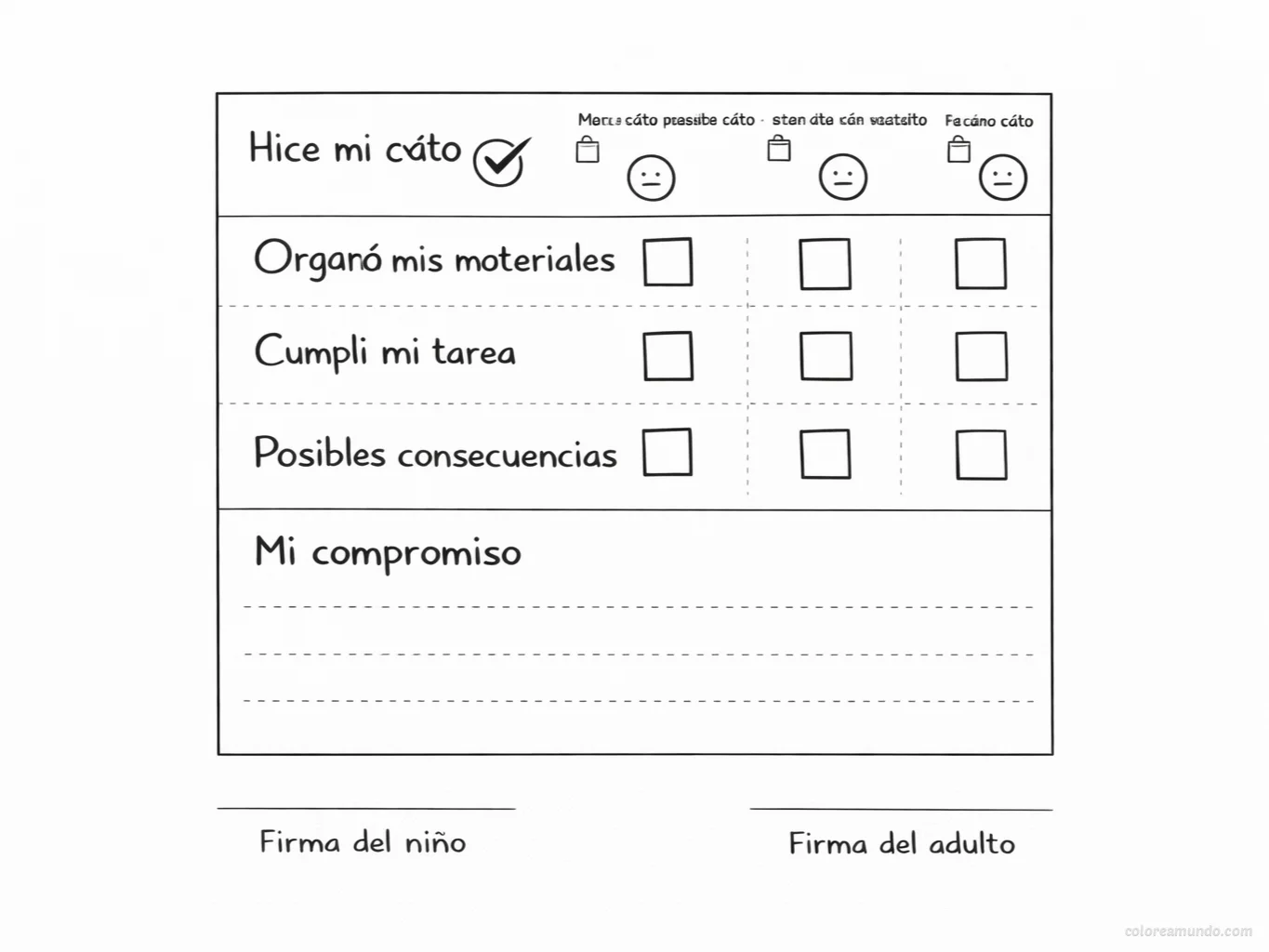
The task itself is not the most important part. The process is.
In the classroom:
Assign rotating roles:
- Materials helper.
- Light monitor.
- Line leader.
This builds early leadership skills.
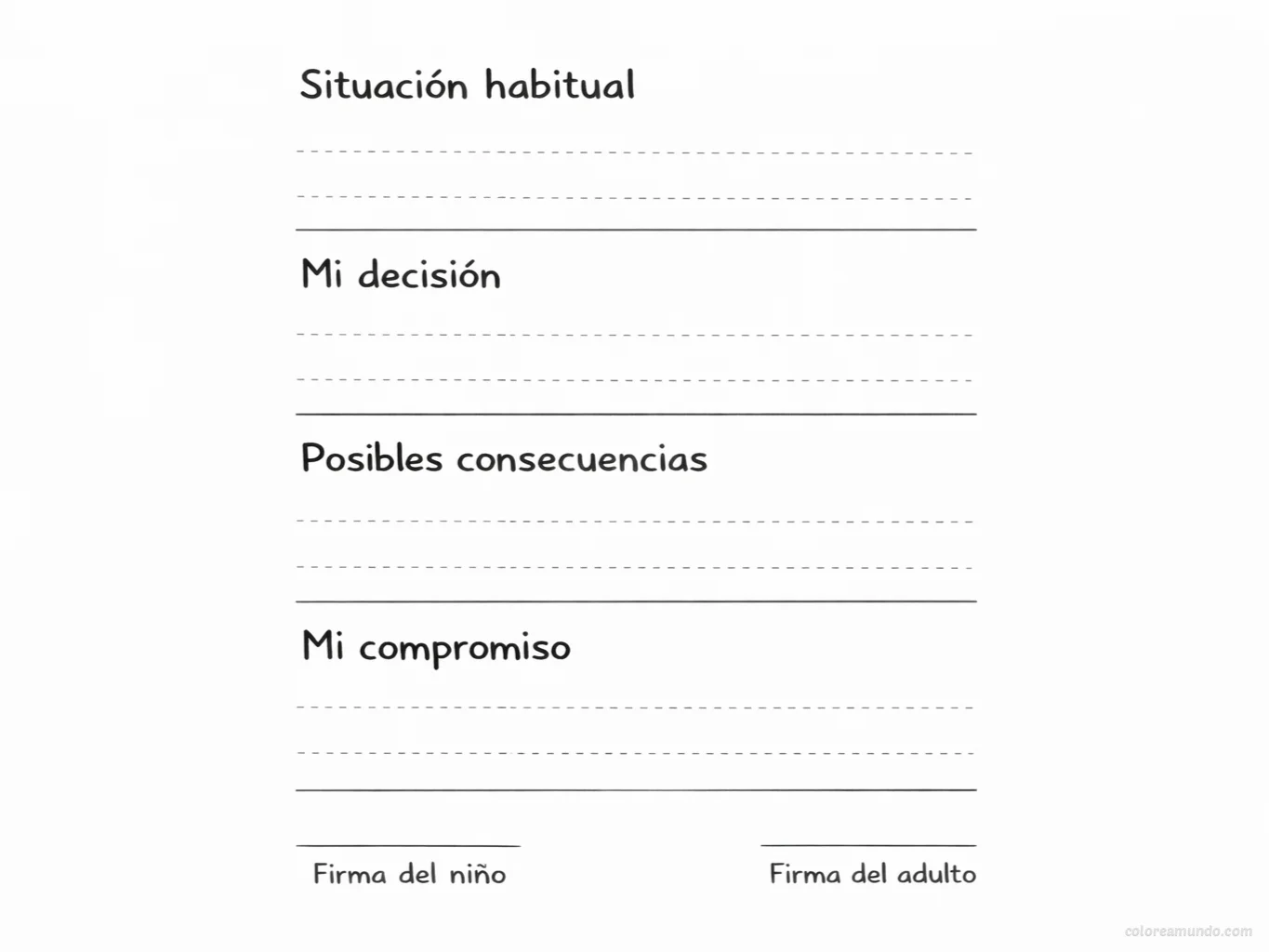
3. Guided Decision-Making
Many adults make every decision:
What to wear. What activity to do. In what order.
But decision-making is learned by practicing it.
Instead of: “Put this on.”
Try: “Would you prefer the blue shirt or the red one?”
Limited options. Structured freedom.
In class: “Would you like to start with reading or math?”
Making decisions within safe boundaries strengthens judgment.
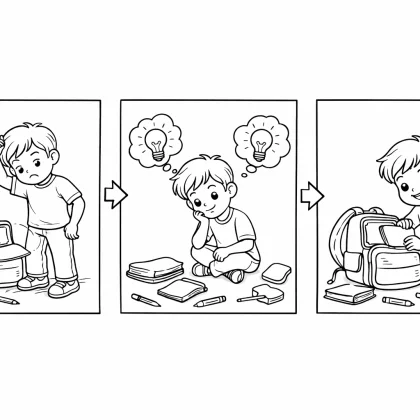
4. The Value of Mistakes
This is a delicate point.
Many parents want to prevent frustration.
But moderate frustration is emotional training.
If we always intervene before mistakes happen:
- They don’t build tolerance.
- They don’t learn to adjust strategies.
Professional observation:
Children who resolve small conflicts on their own tend to show stronger social confidence.
5. Independence and Screens
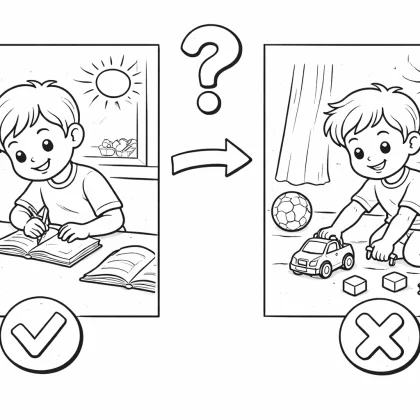
Screens provide immediate gratification. Independence requires sustained effort.
When free time is filled exclusively with passive consumption:
- Initiative decreases.
- External dependence increases.
In contrast, screen-free play:
- Requires planning.
- Encourages creativity.
- Strengthens problem-solving.
Editorial Perspective
“If we intervene in every difficulty, we teach that adults always rescue.”
Developing independence means tolerating some adult discomfort.
It may be faster to do it ourselves. But it is not more formative.
Common Mistakes
1. Overprotection Disguised as Love
“Let me do it.”
A common phrase. A deep impact.
2. Expecting Independence Without Teaching the Process
We cannot expect organization if we have never modeled it.
First teach. Then gradually withdraw support.
3. Rewarding Everything
Independence should not depend on constant rewards.
It should be supported by internal pride and a sense of competence.
Immediate Action for This Week
Choose one new responsibility. Just one.
For example:
- Pack the backpack every night.
- Tidy the desk before dinner.
Steps:
- Explain how to do it.
- Do it together for two days.
- Observe without intervening on the third.
- Reinforce effort—not perfect results.
Age-Based Recommendations
Ages 3–5
- Put away toys.
- Choose between two options.
- Get dressed with help.
Ages 6–8
- Plan homework tasks.
- Organize materials.
- Resolve simple conflicts.
Ages 9–12
- Manage study time.
- Make basic academic decisions.
- Take on more complex responsibilities.
Independence evolves with age.
Frequently Asked Questions
“My child gets very frustrated when something doesn’t work.”
Don’t rescue immediately. Guide with questions: “What could you try differently?”
“They take too long to do everything.”
Speed is not the goal. Competence is.
“They’re independent at school, but not at home.”
It may be that they receive more help than necessary at home.
Editorial Closing
Developing independence does not mean leaving children alone. It means guiding them better.
This week, choose one task. Trust. Wait. Observe.
Progress will be small at first. But steady.
And over time, you’ll see something powerful: A child who not only can. But believes they can.