Critical Thinking in Children Ages 9 to 12: A Practical Guide to Developing It at Home Without Screens
There is a scene that repeats often at this stage.
A 10-year-old says, “But everyone else is doing it.”
And in that small sentence, something big is at stake: the ability to think independently.
Between ages 9 and 12, thinking begins to move beyond the purely concrete. Children start to question, compare, anticipate, and debate. If we don’t cultivate it, thinking becomes reactive. If we train it with intention, it becomes a lifelong tool for autonomy.
This guide is not a loose list of activities. It is a framework to make critical thinking part of everyday life at home.
In This Guide, You Will Learn
- What it truly means to develop critical thinking in preteens.
- How to encourage analysis and sound judgment without using screens.
- Common mistakes that unintentionally slow this skill.
- Activities you can apply at home this week.
- How to adapt the approach based on age and maturity level.
Why This Stage Is Key for Development (Ages 9–12)
At this stage, something decisive happens.
Children no longer just accept information. They begin to evaluate it.
They ask:
- “What if that’s not true?”
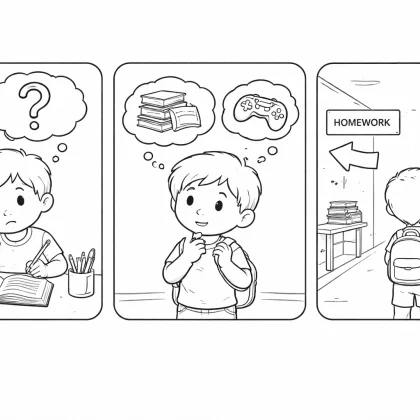
- “Why do I have to do it?”
- “How do you know that?”
Many adults interpret this as defiance.
From a pedagogical perspective, it is cognitive growth.
Between ages 9 and 12, the following consolidate:
- More complex logical reasoning.
- Understanding multiple perspectives.
- Analyzing medium-term consequences.
- The beginnings of hypothetical thinking.
If this energy is guided with intention, it builds intellectual autonomy. If it is constantly shut down, it can turn into superficial obedience or empty confrontation.
Critical thinking is not taught through lectures. It is built through experience.
Pedagogical Framework: The ColoreaMundo Method
At ColoreaMundo, we work from one clear principle: learn without screens.
Not because we reject technology.
But because deep thinking requires:
- Uninterrupted time.
- Real conversations.
- Tangible experiences.
- Space to make mistakes without public exposure.
The ColoreaMundo Method proposes three pillars for this age:
- Visible thinking (drawing, writing, arguing ideas).
- Guided dialogue (open-ended questions, not lectures).
- Concrete experiences (real-life situations, not digital simulations).
When analysis moves through the body, words, and action, it truly integrates.
What Critical Thinking Really Means at This Age
It is not about arguing everything.
It is about being able to:
- Evaluate information.
- Differentiate fact from opinion.
- Identify inconsistencies.
- Justify a position.
- Change one’s mind when better reasons appear.
A child with critical thinking is not the one who is always right.
It is the one who can explain why they think what they think.
Real-Life Activities to Develop It at Home
1. Analyze Everyday Decisions
Real example:
“I want to spend my money on this.”
Instead of saying yes or no, ask:
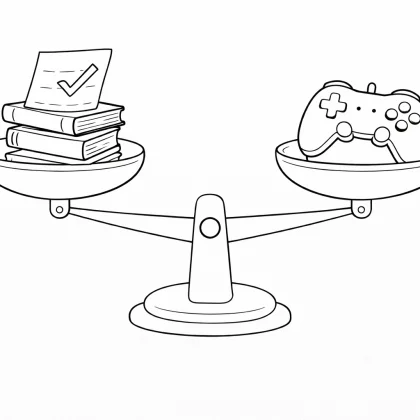
- What alternatives do you have?
- What do you gain if you buy it?
- What do you give up?
- How will you feel about this in a week?
The final decision can still be theirs.
But the process reshapes their thinking.
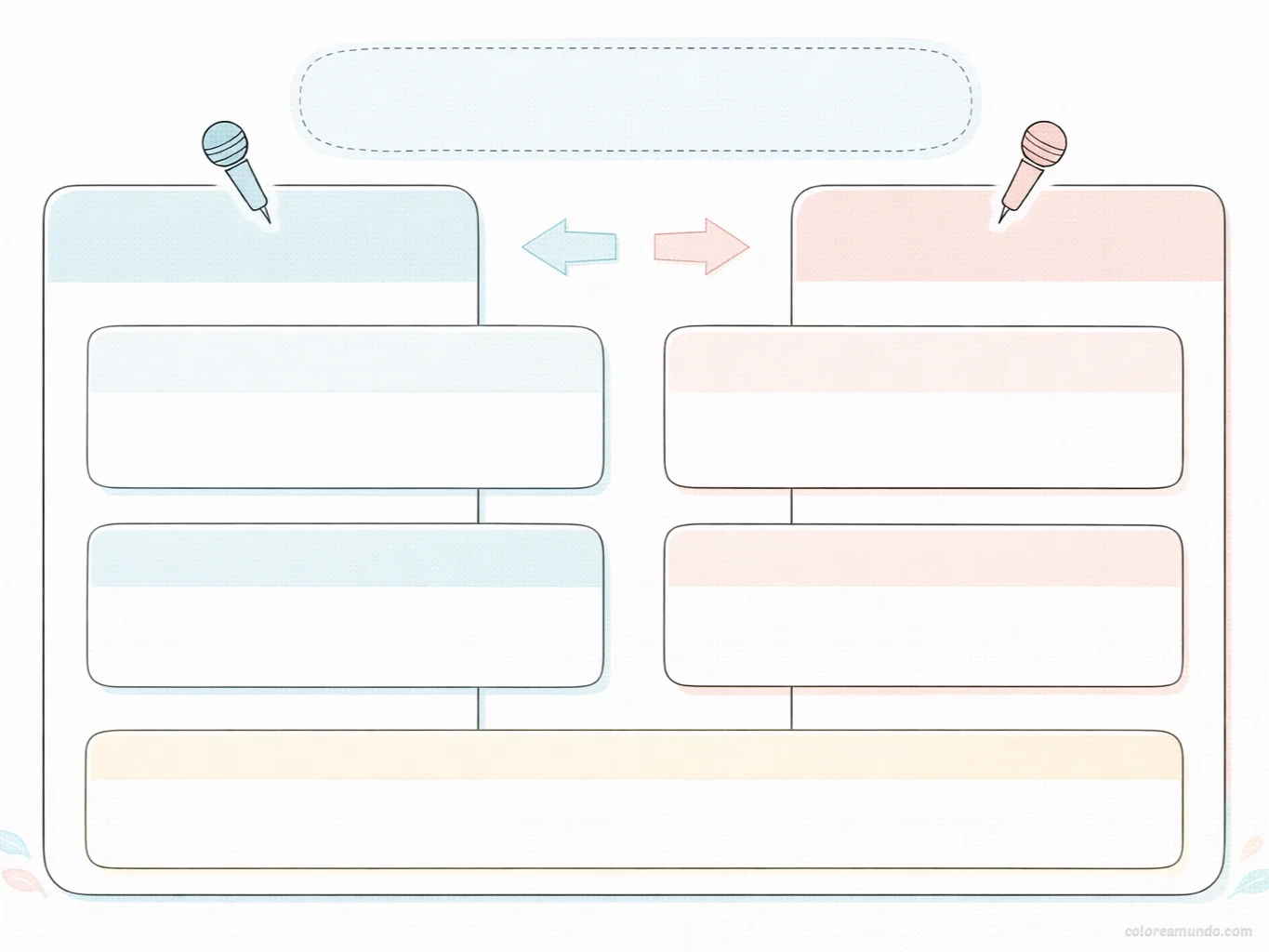
2. Structured Family Debates
Once a week.
Choose a simple topic:
- Is it better to study in silence or with music?
- Should everyone have the same rules?
Clear rules:
- Speak without interrupting.
- Support ideas with reasons.
- Listen before responding.
This strengthens reasoning and emotional regulation.
3. Information Detectives
When they hear something like:
“They say that…”
Respond with:
- Who says that?
- Is it a fact or an opinion?
- Is there another way to see it?
We don’t need the internet to train discernment.
We need good questions.
Editorial Perspective
Critical thinking is not formed through correct answers. It is formed through well-crafted questions.
A child who learns to justify their position is building intellectual autonomy, not disobedience.
Common Mistakes That Hold This Skill Back
1. Always Answering for Them
If every question receives an immediate adult solution, the child’s brain does not engage.
2. Punishing Questions
When a child asks “why?” and hears “because I said so,” they learn obedience, not judgment.
3. Turning Everything Into a Debate
Not everything is negotiable.
Critical thinking needs structure.
Clear rules + space to analyze.
Immediate Application for This Week
Concrete proposal:
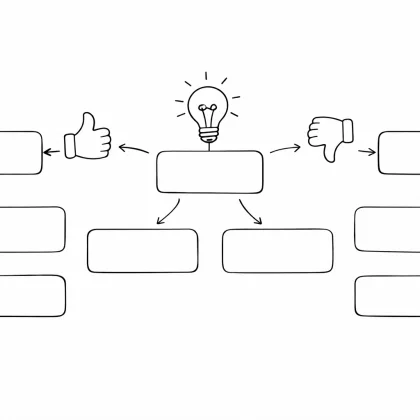
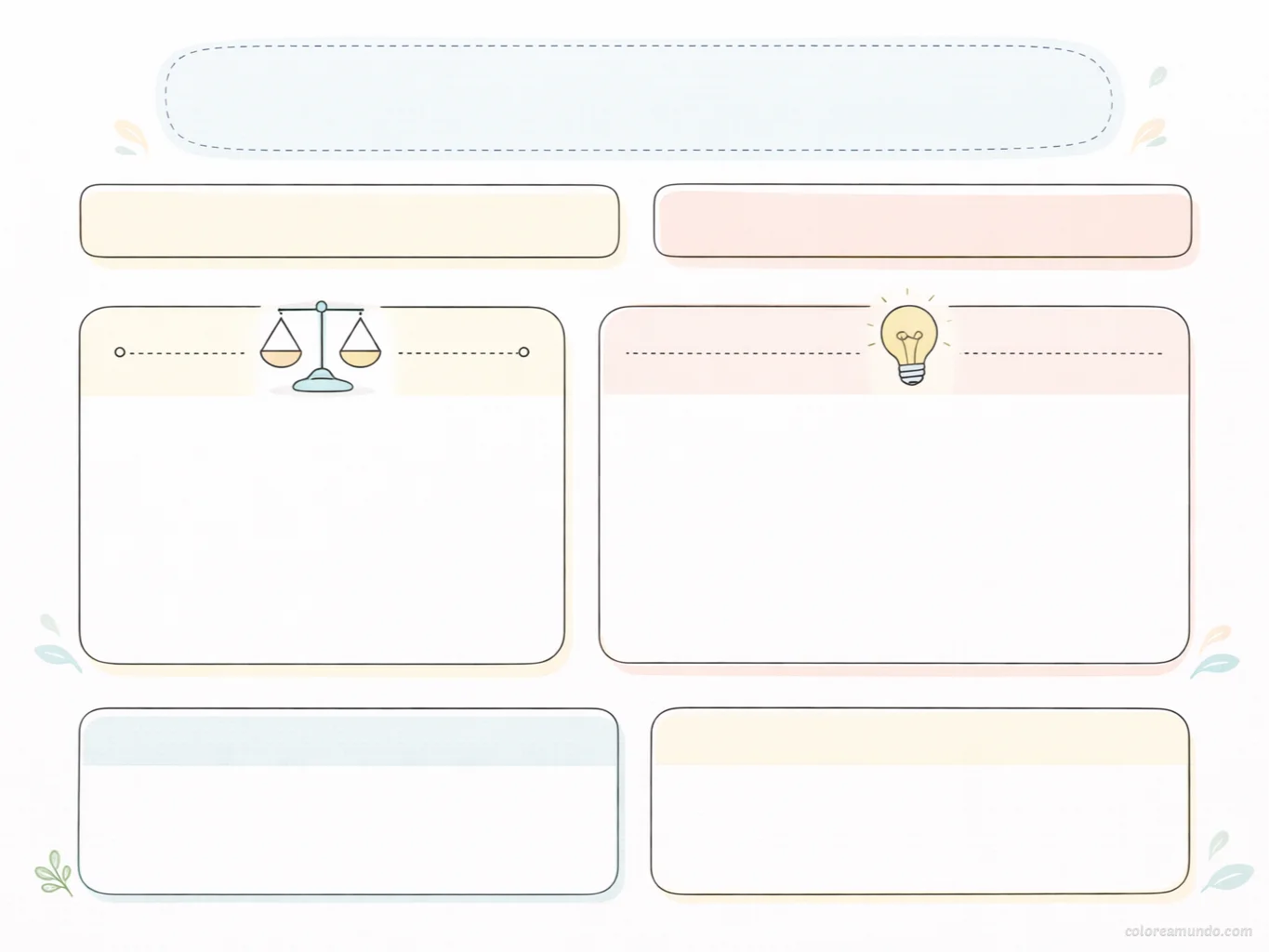
- Choose a real decision (schedule, purchase, family plan).
- Draw two options.
- Write down possible consequences.
- Talk for 15 minutes.
No screens. No interruptions.
Just thinking in action.
Age-Based Recommendations
Ages 3–5
Work on simple cause and effect.
“If we spill the water, what happens?”
More visual than verbal.
Ages 6–8
Compare options with pros and cons.
Encourage full-sentence justifications.
Ages 9–12
Introduce more complex dilemmas:
- Fairness.
- Responsibility.
- Money management.
- Friend conflicts.
Here, dialogue should go deeper.
Real Questions from Families
What if my child argues about everything?
Differentiate arguing from reasoning.
If there are coherent reasons, you are seeing critical thinking. If it is emotional reaction without listening, work on regulation.
What if they make the wrong decision?
Perfect.
A reflected mistake teaches more than an imposed decision.
How much time should we dedicate to this?
It is not a subject.
It is a way of conversing.
Fifteen quality minutes are enough.
Recommended Internal Pathways
- Ages 6–8 pathway: logical and sequential thinking.
- Ages 9–12 pathway: autonomy and structured debate.
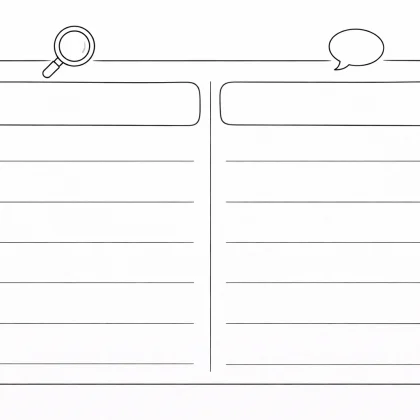
- Downloadable resources: decision maps and cause-effect charts.
Editorial Closing
We do not need outside experts to build sound judgment.
We need real conversations.
This week, choose one small decision. Sit down. Ask. Listen.
And let critical thinking do its work.
Then explore the age-based pathways at ColoreaMundo and apply one concrete activity. Without screens. With presence.
That is where real autonomy begins.